This post below pertaining to Common Problems with Your Home Water Heater is really enlightening. Check it out for your own benefit and decide what you think of it.
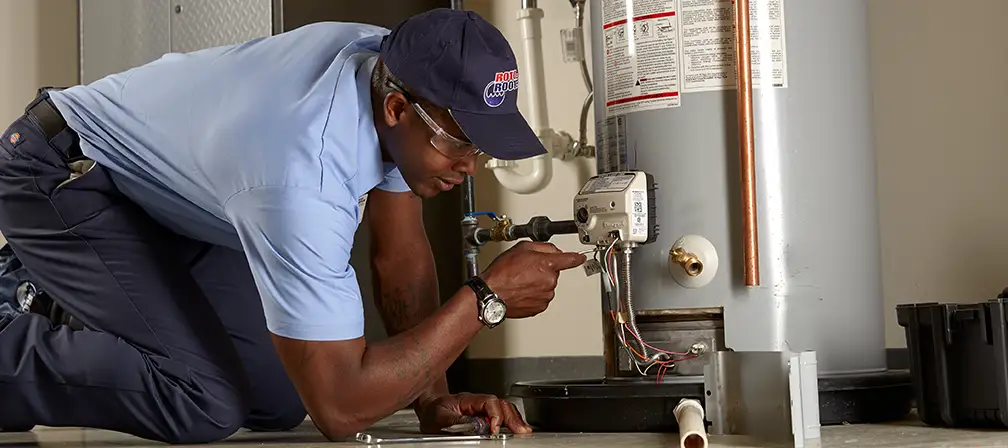
Picture starting your day without your regular warm shower. That already sets an inadequate tone for the rest of your day.
Every house needs a dependable water heater, yet only a few understand just how to manage one. One simple means to keep your water heater in leading shape is to look for mistakes routinely as well as repair them as quickly as they show up.
Remember to turn off your water heater prior to smelling about for faults. These are the water heater faults you are most likely to encounter.
Water too hot or as well cool
Every hot water heater has a thermostat that determines how warm the water obtains. If the water entering into your home is as well hot regardless of establishing a practical maximum temperature level, your thermostat may be defective.
On the other hand, also cold water might be due to a failed thermostat, a busted circuit, or incorrect gas circulation. For instance, if you utilize a gas water heater with a busted pilot light, you would certainly get cold water, even if the thermostat remains in perfect problem. For electrical heating units, a blown fuse might be the offender.
Not nearly enough hot water
Water heaters been available in several sizes, depending upon your warm water demands. If you run out of warm water prior to everyone has had a bath, your water heater is as well small for your family size. You ought to take into consideration mounting a larger water heater tank or choosing a tankless water heater, which uses up much less area and also is more durable.
Unusual noises
There are at least 5 type of noises you can hear from a water heater, however the most common analysis is that it's time for the hot water heater to retire.
First of all, you should be familiar with the regular appears a hot water heater makes. An electric heating system might seem various from a gas-powered one.
Standing out or banging sounds usually mean there is a piece of sediment in your tanks, and also it's time to clean it out. On the other hand, whistling or hissing audios might simply be your valves allowing some stress off.
Water leaks
Leakages could originate from pipes, water links, valves, or in the worst-case circumstance, the storage tank itself. With time, water will corrode the container, and discover its escape. If this happens, you require to change your water heater asap.
However, before your modification your entire container, be sure that all pipes remain in area which each valve works completely. If you still need assistance recognizing a leakage, call your plumber.
Rust-colored water
Rust-colored water implies among your hot water heater elements is worn away. Maybe the anode rod, or the storage tank itself. Your plumber will certainly be able to identify which it is.
Lukewarm water
Despite how high you set the thermostat, you will not obtain any kind of warm water out of a heater well past its prime. A water heater's efficiency may minimize with time.
You will certainly likewise get lukewarm water if your pipes have a cross link. This means that when you turn on a faucet, warm water from the heating system flows in together with routine, cold water. A cross link is very easy to area. If your warm water taps still follow shutting the water heater shutoffs, you have a cross connection.
Discoloured Water
Corrosion is a major reason for dirty or discoloured water. Corrosion within the water container or a falling short anode pole could create this discolouration. The anode pole protects the tank from rusting on the within as well as must be examined yearly. Without a pole or an appropriately functioning anode rod, the warm water rapidly wears away inside the container. Contact a professional water heater technician to identify if changing the anode pole will certainly fix the problem; if not, change your hot water heater.
Verdict
Ideally, your water heater can last 10 years prior to you require an adjustment. Nonetheless, after the 10-year mark, you might experience any one of these mistakes a lot more regularly. At this point, you should include a brand-new hot water heater to your budget plan.
How To Troubleshoot 3 Common Water Heater Problems in Twin Cities
The Water Heater Is Leaking
- A leaky cold water inlet valve
- A loose pipe fitting
- A leaky temperature and pressure relief valve
- A corroded anode rod
- A cracked tank
Turn Off Your Water Heater:
- Shut off your gas water heater by turning the gas valve on the unit to the “OFF” position.
- Shut off your electric water by switching its power off at your electrical panel. Look for a two-pole breaker labeled “water heater” and turn it to the “OFF” position. Move the ball valve connected to the water heater to be perpendicular to the piping at a 90° angle.
Look for the Leak:
Depending on whether the water is coming from the tank's top or bottom, you’ll want to look for the leak in different locations.
If the leak comes from the top of the tank, carefully look for water escaping from the cold water inlet valve or loose pipe fittings. Rusted hot and cold water valves can have loose connections with the tank, with water leaking out of them.
https://mspplumbingheatingair.com/blog/how-to-troubleshoot-3-common-water-heater-problems
As a reader about Common Problems with Your Home Water Heater, I think sharing that piece of content was essential. So long as you appreciated our blog posting please make sure you remember to pass it around. We enjoy reading our article about Common Problems with Your Home Water Heater.
Free Estimates
Comments on “Understanding The Heater Malfunctions”